Psychogeography how the specific locale, weather, history, and culture of a place comes to psychologically affect the people who live there) is a big part of my overall practice. Homesick was my first investigation into harnessing psychogeography through photography.
I was born and raised in Seattle, Washington. Seattle is one of my favorite places in the whole world, but it’s undeniable that the winter months can be very long and dismal. Through Homesick, I worked on capturing the specific feeling of living in a place like Seattle during the peak of the winter months. I also don’t live full-time in Seattle anymore. I live on the opposite side of the country now, and visiting home can sometimes feel strange because I’ve never before known what it’s like to be separate from this one house and city that I grew up in. I knew that spending six weeks in the house that I’d lived in for my whole life would reintroduce certain memories and feelings that I’m no longer privy to; I wanted to focus on capturing this in-between space.
In Homesick, I worked a lot with overexposure and light manipulation, which I think helped visualize my experiences of not knowing who/what/where I and my peers are as people at this stage in life. I didn’t want to just photograph landscapes or cityscapes for this project, because it wouldn’t be a psychogeographical depiction without the presence of people, or, specifically, people as subjects. I think for the most part, I wanted to find some kind of closure or illumination for a specific part of my life. I wanted to capture these moments so they’re memorialized and I don’t have to spend all my time thinking about them anymore. Additionally, I hoped to gain a better understanding of where I stand right now, physically, mentally, and in terms of how old I actually feel, if that makes sense.
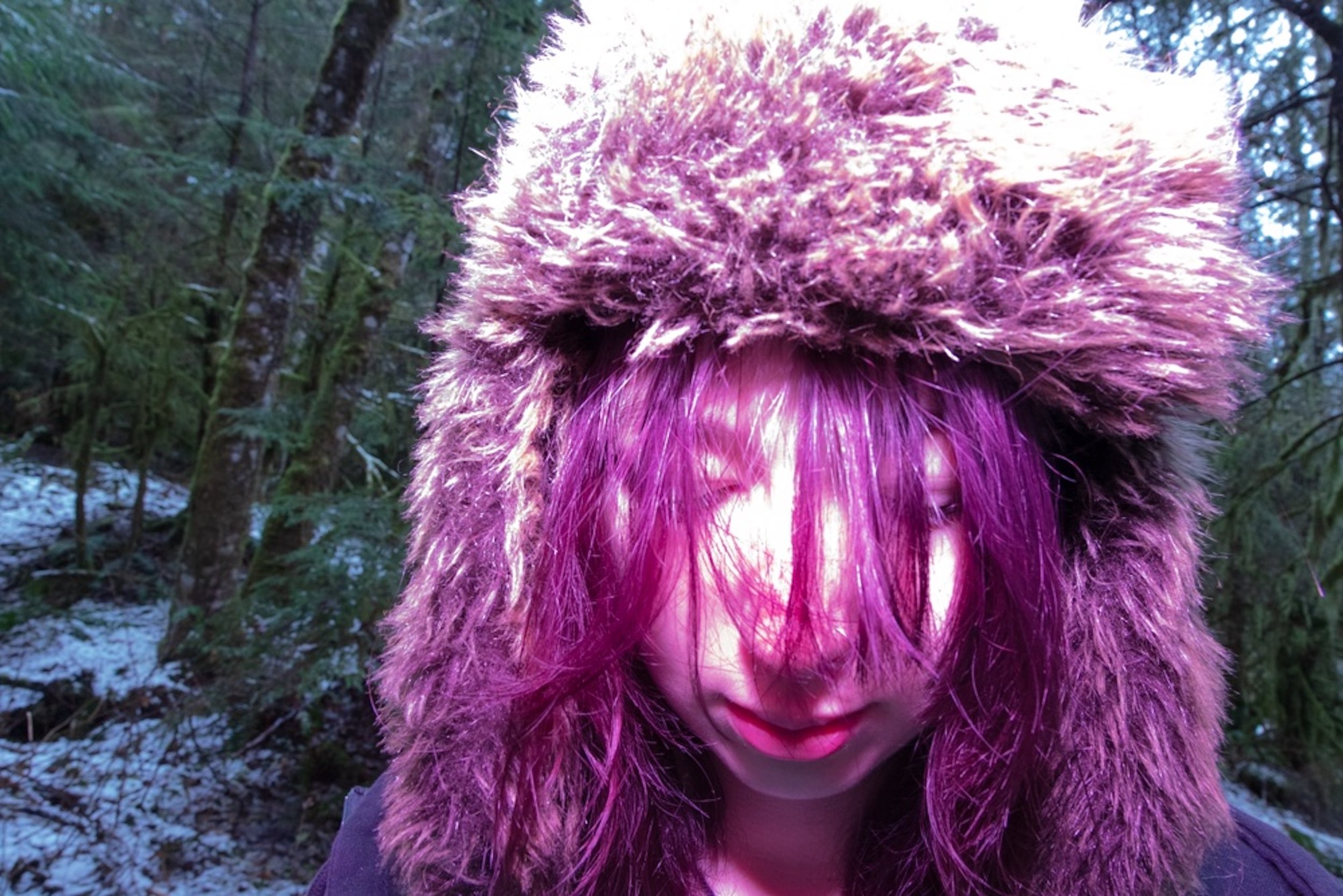
Pink Flash, 2024

Hot Tub, 2024

Self Portrait, 2024
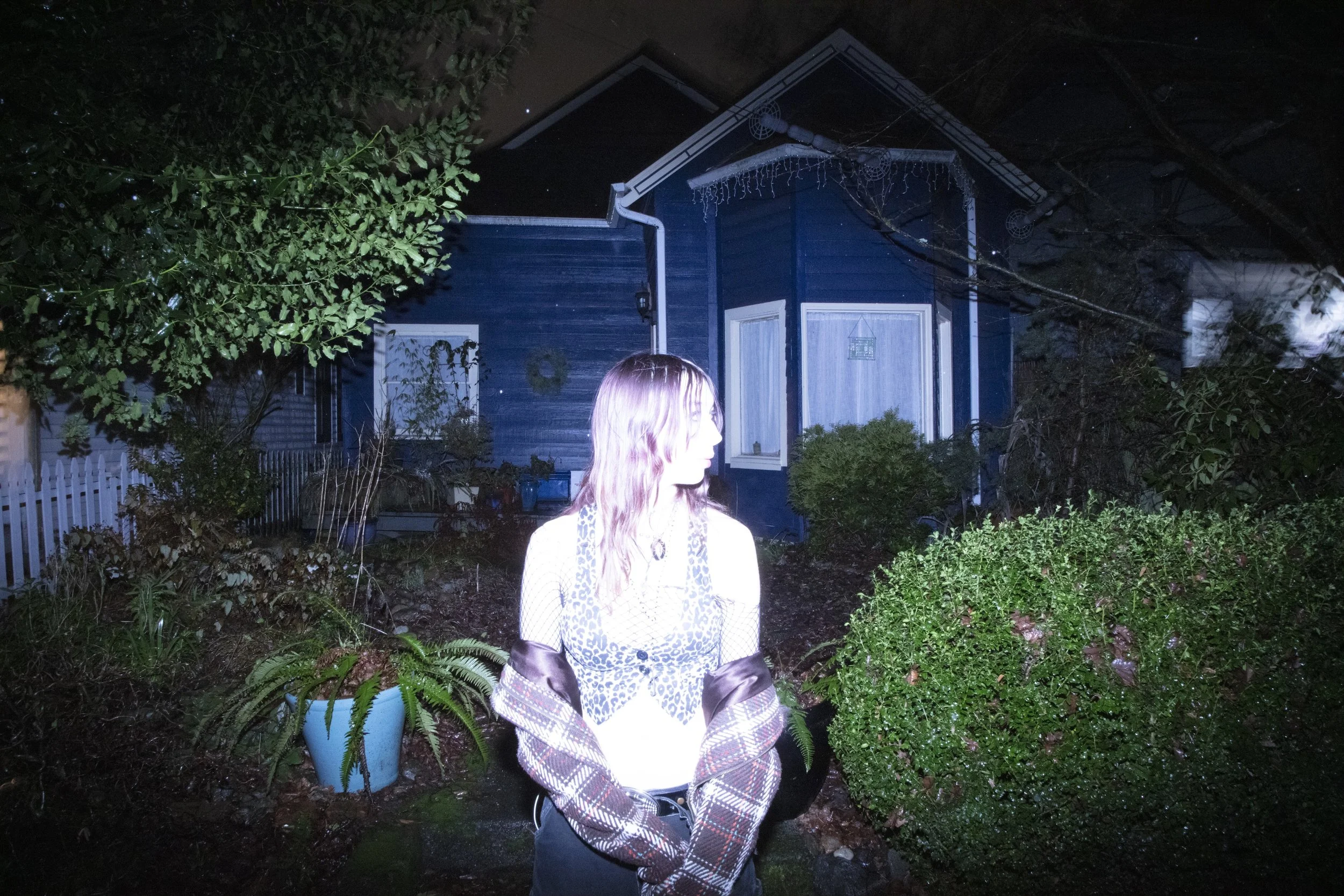
Polly at Home, 2024

Untitled (Homesick), 2024
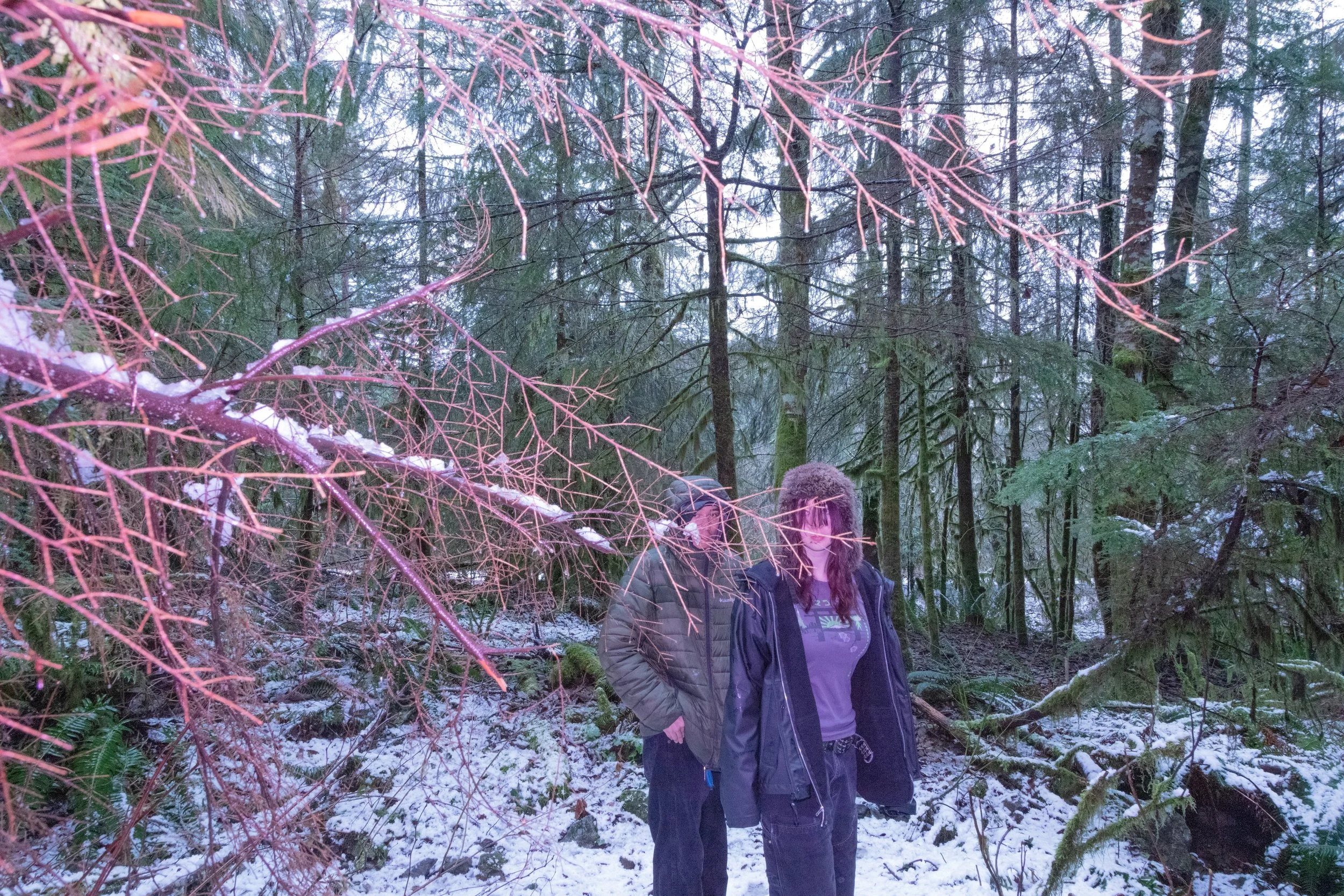
Untitled (Homesick), 2024

Untitled (Homesick), 2024

Untitled (Homesick), 2024
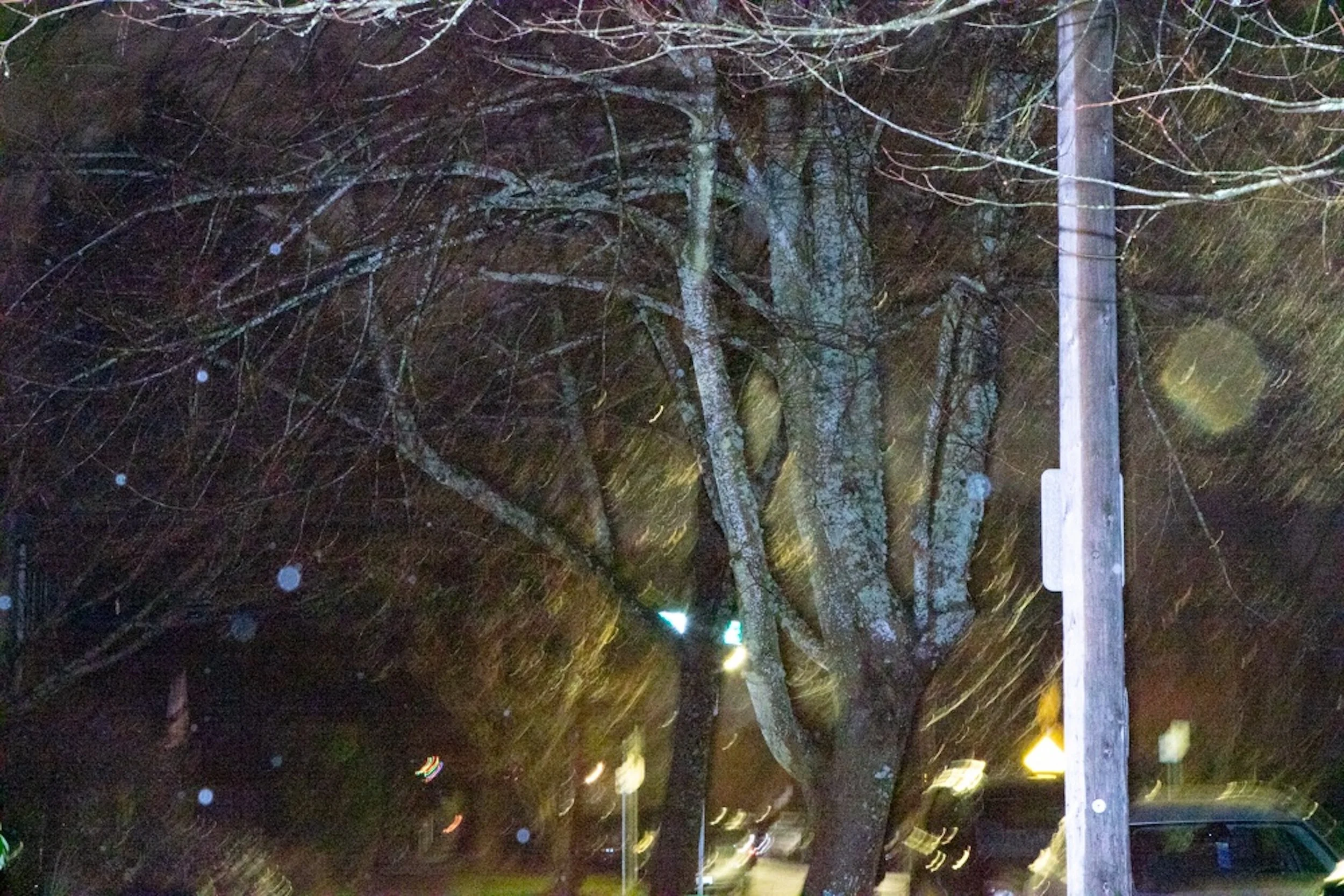
Untitled (Homesick), 2024

Untitled (Homesick), 2024
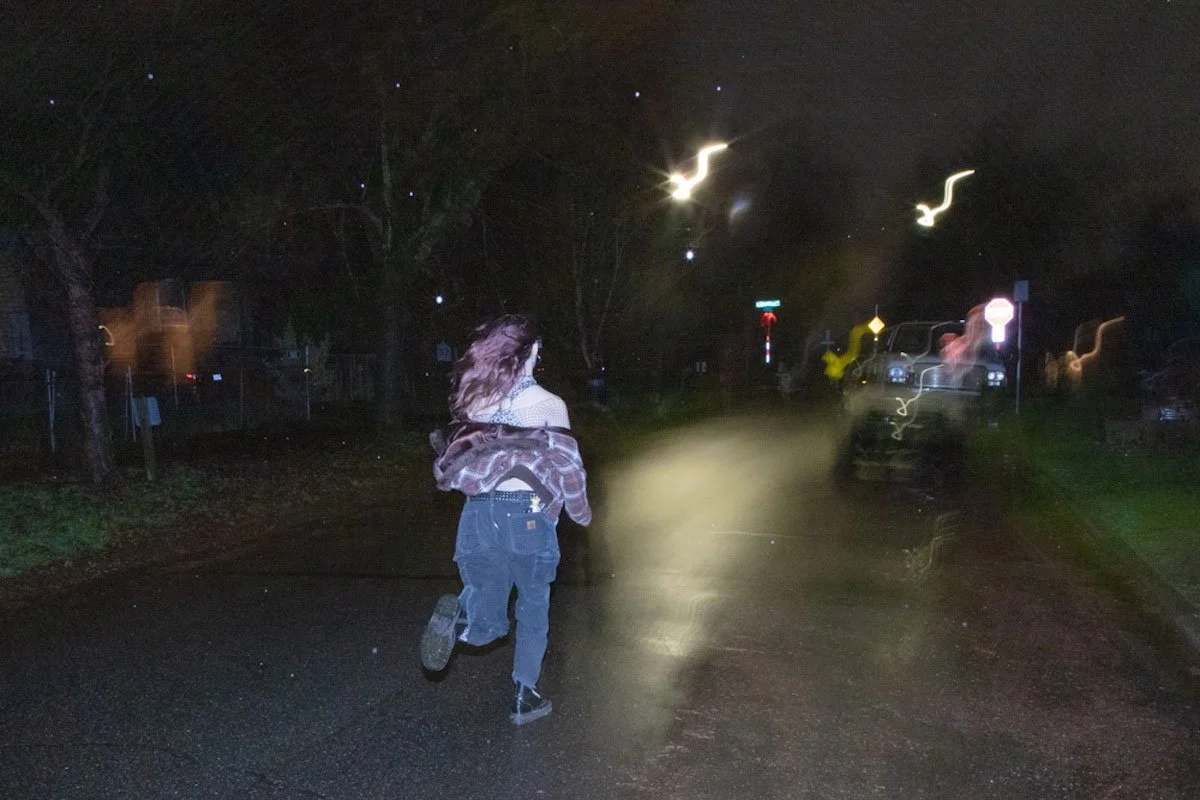
Untitled (Homesick), 2024

Untitled (Homesick), 2024

Untitled (Homesick), 2024

Untitled (Homesick), 2024

Untitled (Homesick), 2024

Untitled (Homesick), 2024

Untitled (Homesick), 2024

Untitled (Homesick), 2024
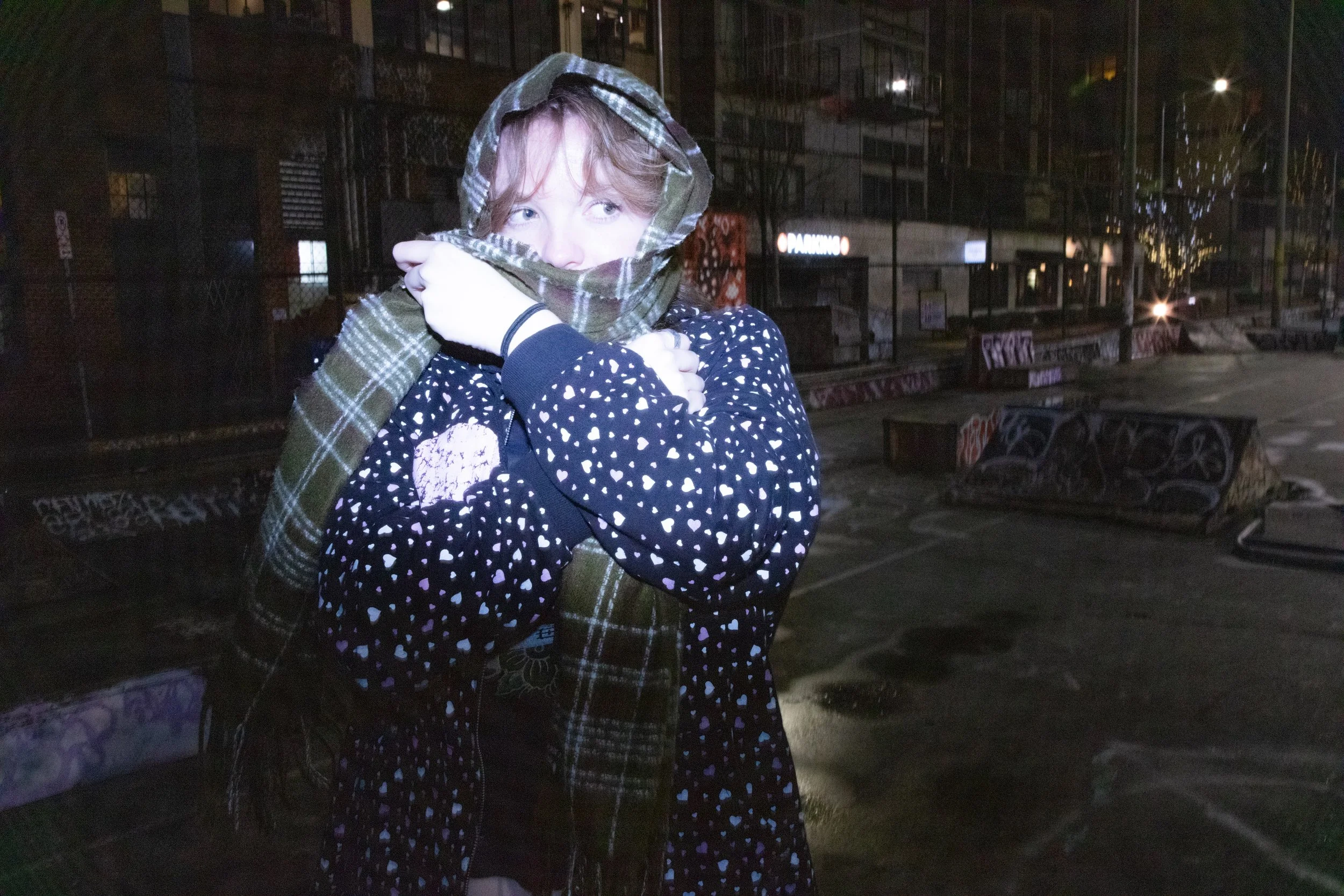
Untitled (Homesick), 2024